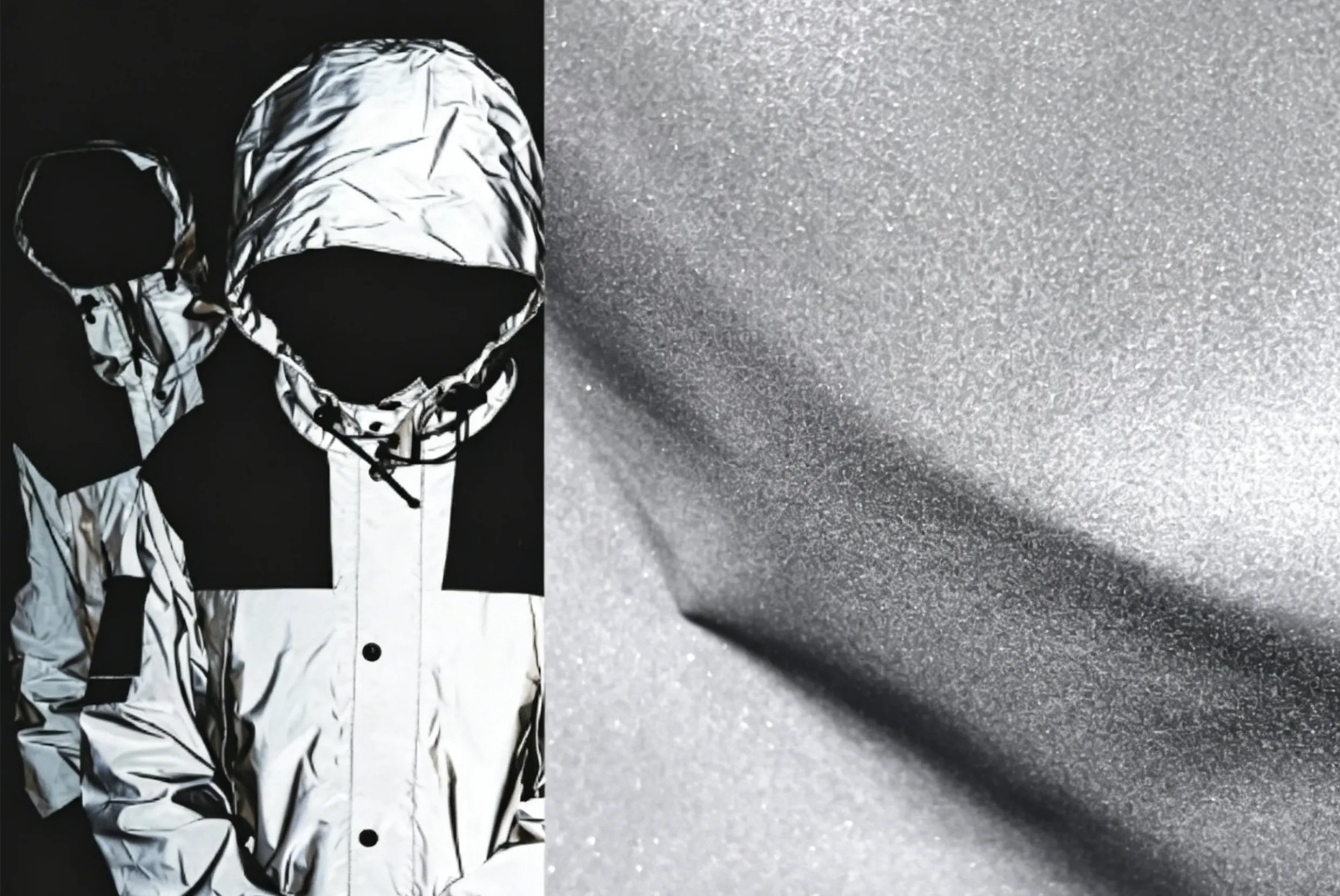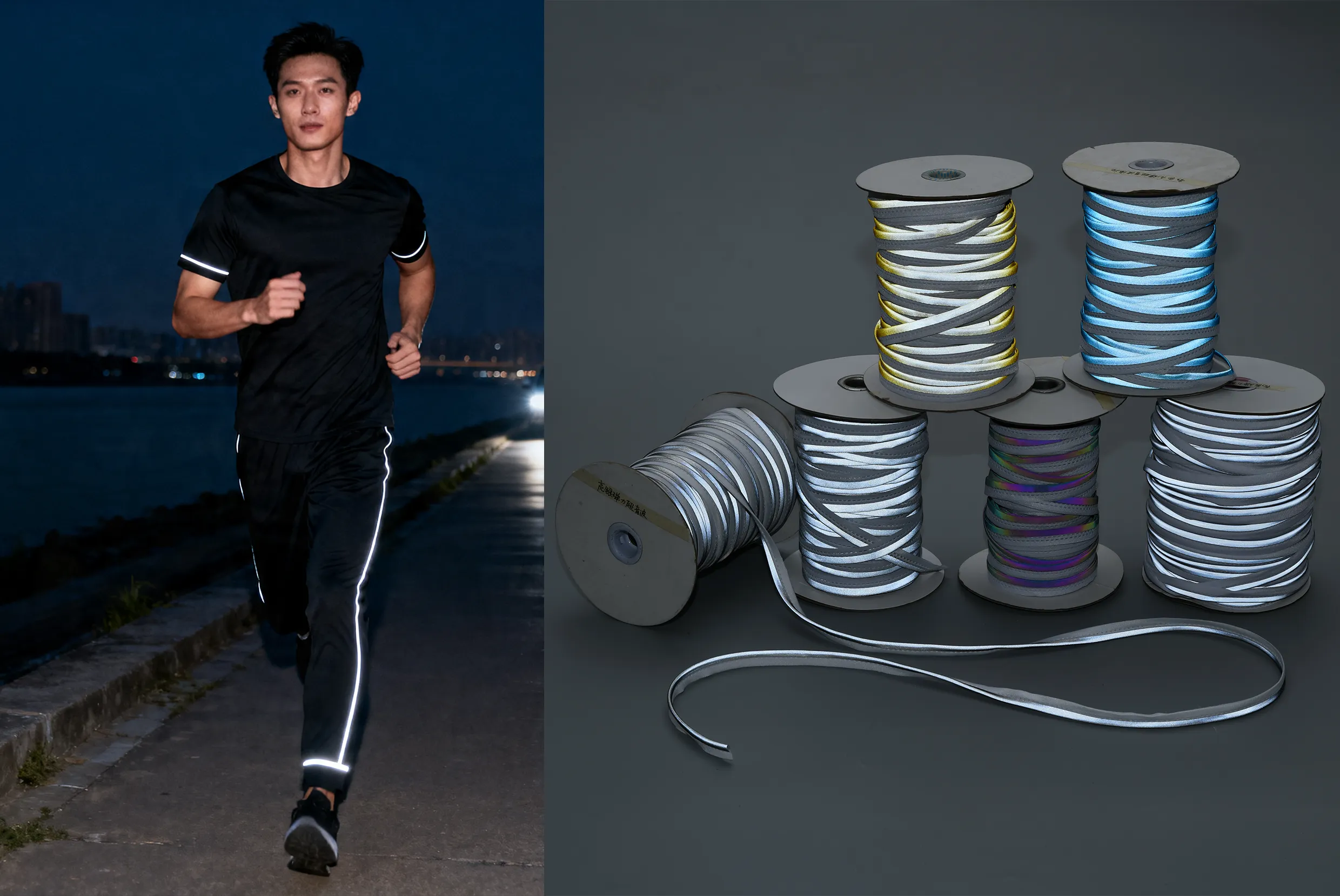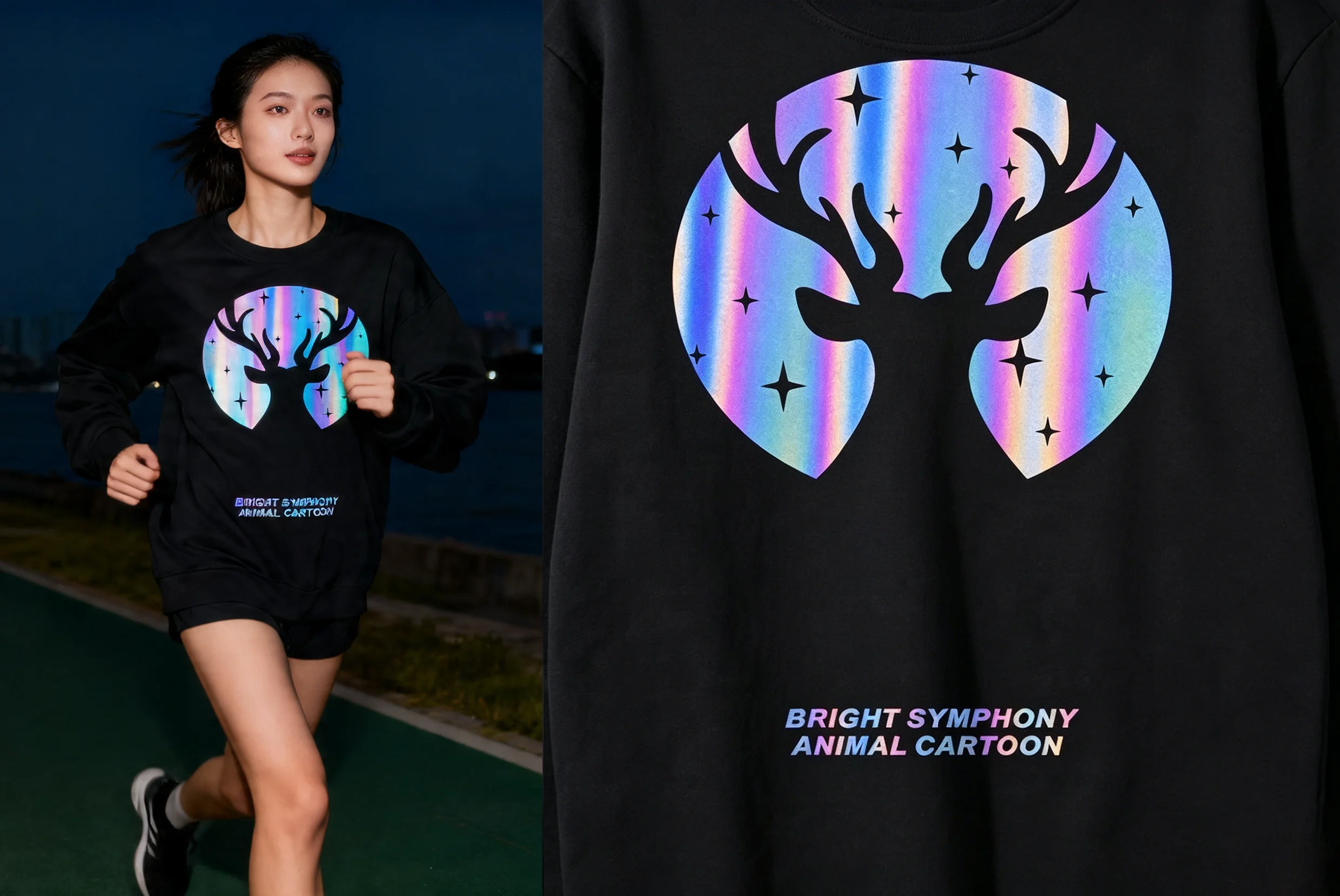
Choosing the best reflective piping requires balancing visibility standards (such as ANSI/ISEA 107), durability for wash cycles, and material compatibility (PVC vs. Fabric). For high-performance gear, prioritizing high-intensity silver piping ensures maximum retro-reflectivity and long-term compliance.
Quick Comparison: Reflective Piping Material Types
| Piping Type | Best For | Durability Level |
| Silver Fabric Piping | Uniforms, Sportswear | High (Industrial Wash) |
| PVC Reflective Piping | Bags, Rainwear, Outdoor Gear | Medium (Weather Resistant) |
| Heat Transfer Piping | Performance Apparel | Medium (Seamless Finish) |
| Flame Retardant Piping | Firefighting, Oil & Gas | Extreme (FR Certified) |
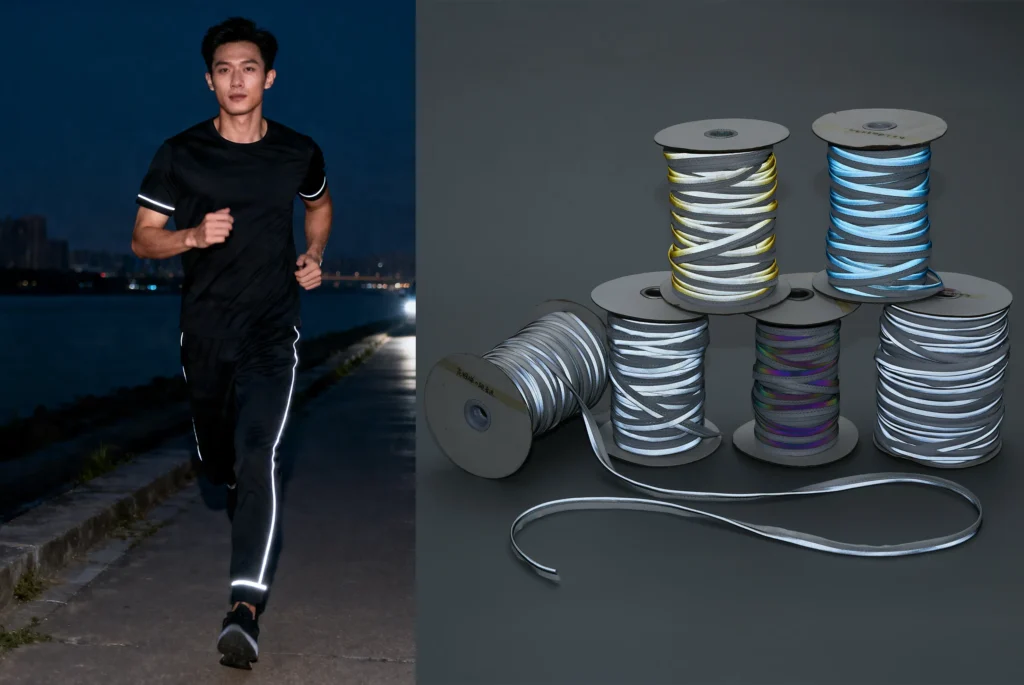
1. What is Reflective Piping and Why Does It Matter?
Reflective piping is a functional trim consisting of a reflective strip folded over a cord (the “piping”) and sewn into the seams of garments or accessories. Unlike flat tapes, piping provides a 3D safety boundary, outlining the wearer’s silhouette from multiple angles. This is crucial for “active visibility” in low-light environments, such as roadside construction or nighttime cycling.
2. Which Base Material Suits Your Manufacturing Needs?
The “bone” of the piping determines how it behaves during production and daily use.
- Polyester/TC Fabric Base: Most common for apparel. It offers a soft hand-feel and integrates easily with standard sewing machines.
- Vinyl/PVC Base: Ideal for the luggage and footwear industry. It provides a stiffer structure and is highly resistant to water and abrasion.
- Elastic Reflective Piping: Specifically engineered for the fitness industry, allowing the piping to stretch with the garment without “popping” the seams or cracking the reflective coating.
3. Key Technical Specs: Reflectivity and Washability
Retro-reflectivity (Ra): High-quality silver piping should offer a coefficient of >330cd(lx·m²). This ensures the product stays visible from over 200 meters away.
Wash Durability: Standard piping is usually rated for 25 home washes. For industrial workwear, look for “Level 2” piping capable of surviving 50+ cycles at 60°C (140°F) without delamination.
Frequently Asked Questions (FAQ )
Q: Can reflective piping be customized for brand colors?
A: Yes. While silver offers the highest reflectivity, you can customize the “flange” (the sewing part) or the reflective surface itself to match specific Pantone codes. Note that colored reflective piping typically has a lower (Ra) than silver.
Q: What is the standard diameter for industrial reflective piping?
A: Most industrial applications use a cord diameter of 2mm to 3mm, with a total width (including the sewing flange) of 10mm to 12mm.
Q: How do I prevent reflective piping from “puckering” at the seams?
A: Ensure your factory uses a piping foot on the sewing machine and matches the tension of the piping base to the main garment fabric. Using a TC-base piping usually provides more stability during the sewing process than pure polyester.